Conduct Disorder Onboarding Mobile Apps Graphics
A First Look at the Visual Language
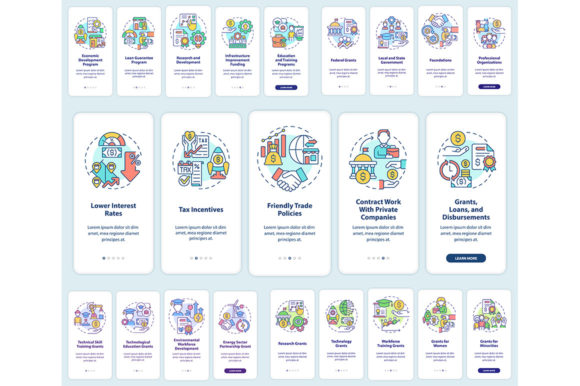
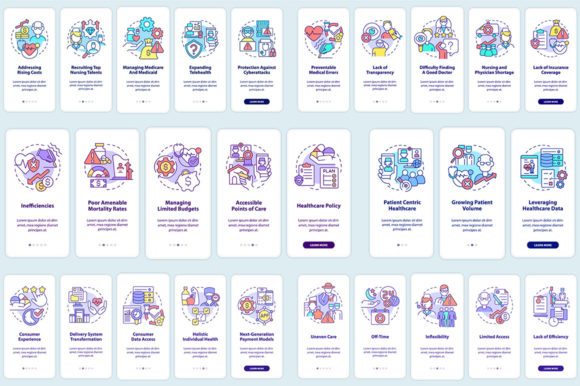
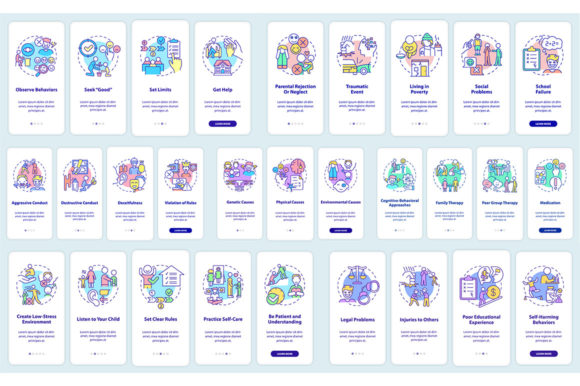
When I first opened Conduct Disorder Onboarding Mobile Apps, I was immediately drawn to its structured yet expressive design. The screen set feels like a visual roadmap—clear, methodical, and purposeful. It uses linear concepts to guide the viewer through behavior and effect walkthrough steps, which makes it feel like an educational tool wrapped in a UI/UX template. The use of Myriad Pro-Bold and Regular fonts adds a modern touch that balances readability with a clean aesthetic.
This graphic template carries a mood that's both informative and slightly clinical, which might naturally fit projects related to health, education, or behavioral science. However, its clean lines and structured layout could also be repurposed for creative markets, especially when a designer needs a framework that’s both functional and visually grounded.
Where This Design Asset Shines in Real Projects
Conduct Disorder Onboarding Mobile Apps is a versatile graphic template that can support a wide range of creative endeavors. In a small business context, it could serve as a foundation for product mockups, digital ads, or even social media posts that require a step-by-step explanation. Its UI/UX elements make it ideal for brand identity work, especially for startups or businesses aiming to communicate clear processes or instructions to their audience.
For a handmade brand or Etsy shop, this asset could be used to create packaging details or editorial design pieces that guide customers through product features. When paired with bold colors or thematic visuals, it can elevate the overall impression of a project without losing its clarity.
In web design, this graphic template could be used as a hero graphic or part of a larger campaign visual. It works well in large layout areas where the message needs to be emphasized without overwhelming the viewer. For print-on-demand sellers, the design’s structure makes it suitable for t-shirt designs, stickers, or wall art that conveys a sense of order and direction.
Areas to Approach with Caution
While Conduct Disorder Onboarding Mobile Apps is a strong design asset, it may not be the best fit for every project. In particular, it should be used carefully in small sizes or crowded layouts where the linear concepts might become difficult to read. Its structured format could clash with minimalist branding or projects that prioritize simplicity over instruction.
The font choices, while readable, may not suit all design contexts. If a project requires a more artistic or whimsical feel, pairing this graphic template with a script or handwritten font could help balance the look. Also, in professional corporate materials, the template’s instructional tone might feel out of place unless the brand voice aligns with that style.
Design Considerations Before Commercial Use
As a designer preparing for a client project, I always test how a graphic asset performs across different mediums. With Conduct Disorder Onboarding Mobile Apps, I would start by testing it in black and white to ensure the visual hierarchy holds up without color. Checking contrast on light and dark backgrounds is essential to maintain readability, especially if the asset will be used in various environments.
I’d preview it at both small and large sizes to confirm that the linear concepts remain legible. Placing it on real mockups helps assess how it integrates with other design elements. Testing print quality is crucial for printable designs, and reviewing file formats ensures compatibility with tools like Canva or Cricut projects.
If the asset includes PNG transparency or SVG vector editability, I’d inspect those features to see how easily it can be adapted. Comparing it with serif, sans serif, script, or display fonts helps determine if the typography aligns with the project’s needs. Lastly, confirming commercial licensing is a must before using it for a client or business project.
Final Thoughts on Conduct Disorder Onboarding Mobile Apps
Conduct Disorder Onboarding Mobile Apps is a practical graphic template that brings clarity and structure to design projects that require step-by-step guidance. While it may not be the right choice for every creative endeavor, it offers a solid foundation for marketing visuals, product labels, and editorial design. Its clean lines and thoughtful layout make it a valuable addition to any designer’s toolkit, especially for small businesses or handmade brands looking to enhance their brand identity with professional-grade assets.
Whether you're creating a digital product, a print-on-demand item, or a commercial design bundle, this graphic template has the potential to improve your visual communication and bring a polished, organized feel to your final result. Just remember to test it thoroughly and ensure it aligns with your brand’s voice before committing to a client project.